Cathedral ARC - Airborne Software V&V for eVTOL / Business / New Space Programs
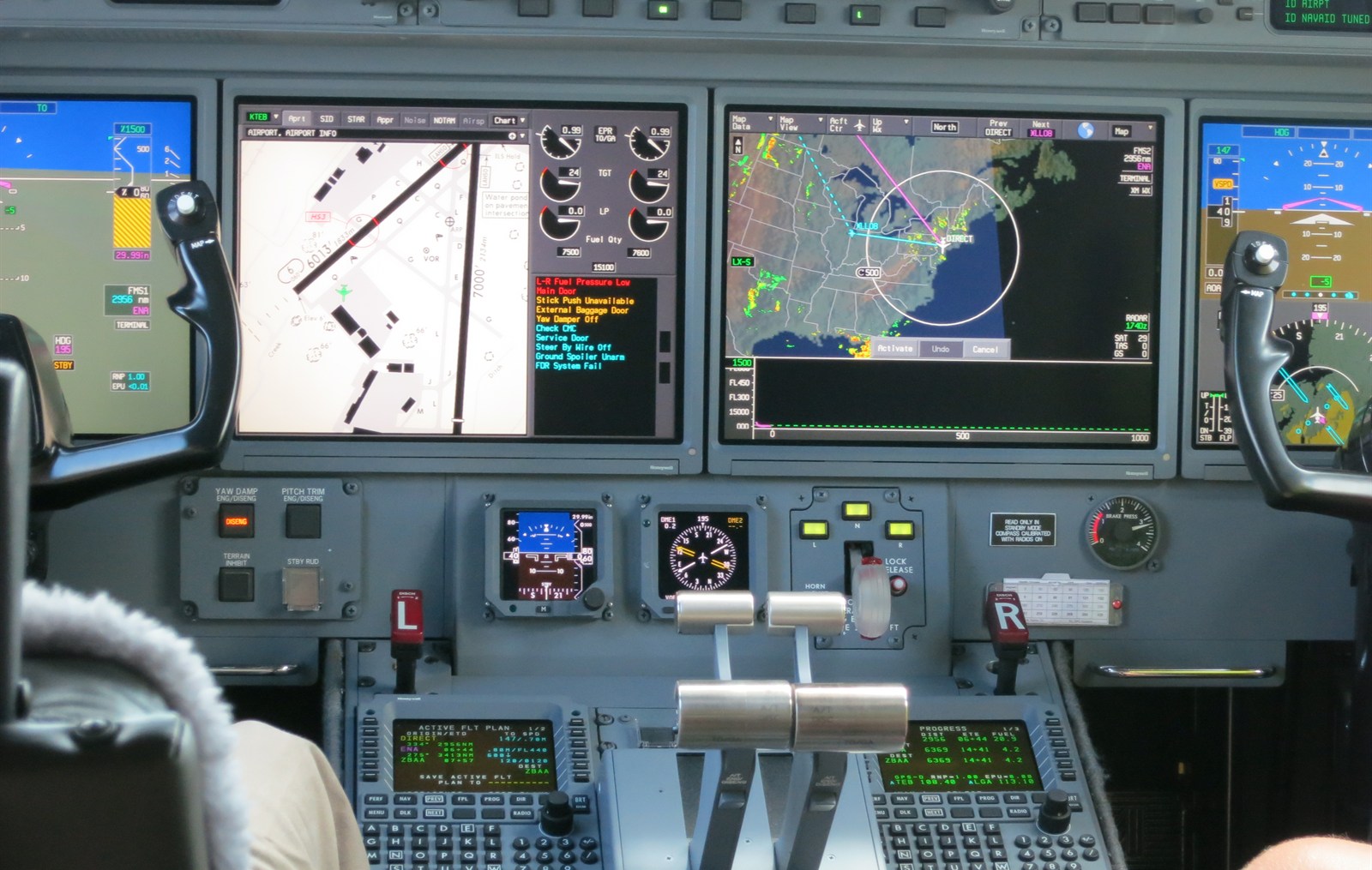
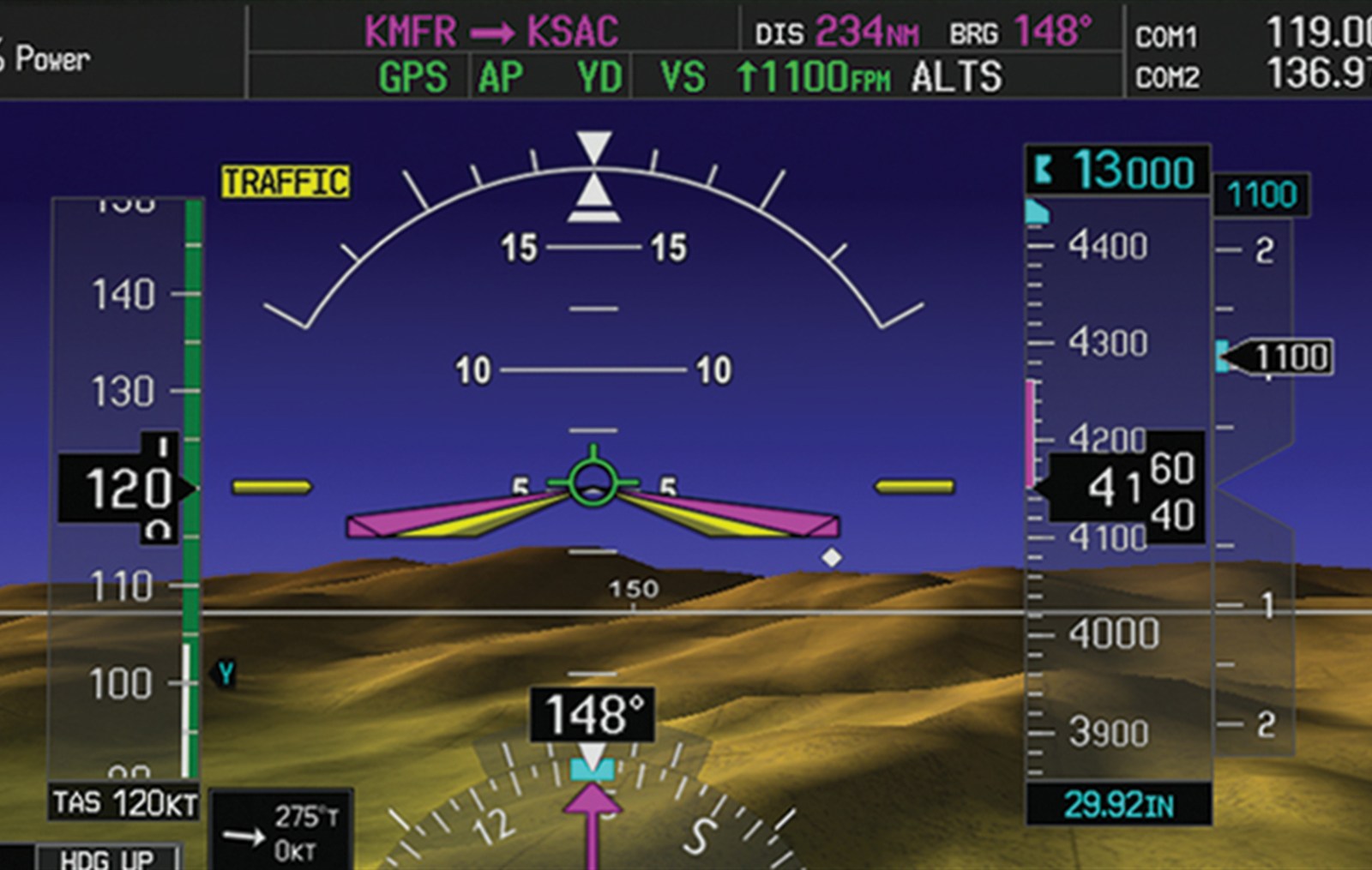
Independent verification and validation for human-machine interfaces and cockpit/control display systems — confirming that what the operator sees, reads, and acts on is correct, timely, and provably tested against requirements.
DO-178C
Display software verification
HUMAN FACTORS
ARP4761-aligned validation
SYMBOLOGY
Display accuracy & timing checks
INDEPENDENT
Objective V&V, separate from dev team
Finally, A Done-For-You Verification & Validation Service For Flight Control and Orbit Software
Problems ARC Solves
Certification of pilot interfaces
Managing complexity of graphics pipelines
MC/DC coverage requirements
Verification of ARINC 653, 429, 661
OpenGL SC verification and development
We Test It So the Operator Can't Misread It.
01
Worst Case Execution Time Analysis
02
Memory Margin Analysis
03
Static Analysis
04
Formal Methods
05
Errors and Warnings Analysis
Our Process
We step in once display and HMI software reaches a testable state — building requirements-based test procedures, executing them against the certified build, and documenting evidence auditors can trace end-to-end. For programs where displays share a codebase with other safety-critical functions, we scope V&V independently so it holds up under review.
See our aerospace & avionics workStandards & Frameworks
DO-178C
ARP4761
ARP4754A
ISO 26262
MIL-STD-1472
ISO 9241